How to Sell Your House Quickly Without an Agent
Key Takeaways:
- Understand the benefits and challenges of selling your home without a real estate agent.
- Learn practical strategies to market and price your property competitively.
- Explore legal considerations and resources to ensure a seamless sale.
Table of Contents:
- Why Sell Without an Agent?
- Preparing Your Home for Sale
- Pricing Your Home Competitively
- Marketing Your Property
- Handling Negotiations and Offers
- Legal Considerations and Paperwork
- Closing the Sale
- Alternative Options to Traditional Sales
Why Sell Without an Agent?
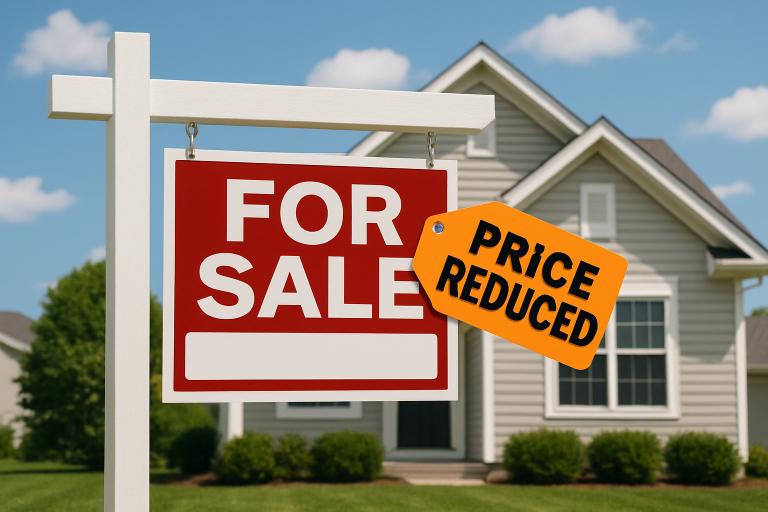
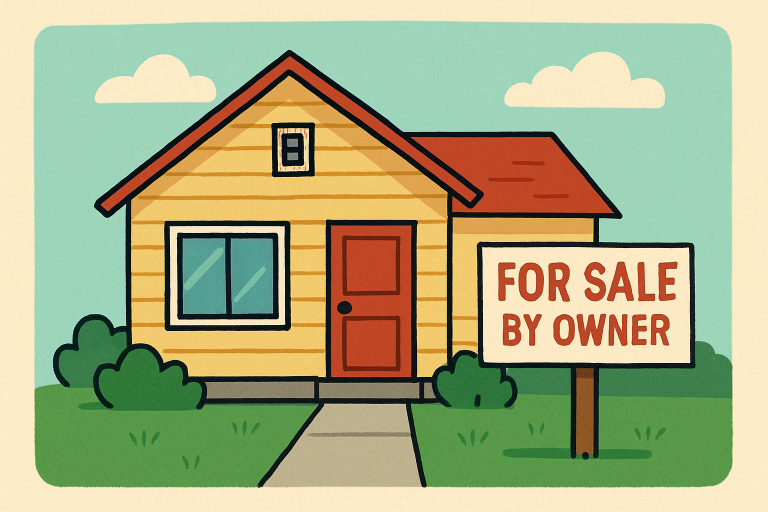
Selling your home yourself, commonly referred to as For Sale by Owner (FSBO), can be a rewarding and cost-effective option. By cutting out the real estate agent, homeowners often save on commission fees that can total 5-6% of the sale price. Self-managing the sale enables you to maintain control over pricing, negotiations, and scheduling, putting you in charge every step of the way. Many sellers in growing Georgia communities, for example, are turning to direct house buyer to streamline their sale and secure a fast, straightforward deal.
Taking a hands-on approach means gaining firsthand knowledge of the market, enabling you to make informed decisions tailored to your unique circumstances. However, selling without an agent also involves additional responsibilities, including preparing your property for listing, handling showings, negotiations, and complex paperwork. While the potential savings are attractive, owners must approach FSBO with diligence and thorough preparation.
One of the primary challenges is the time commitment required. You will need to be proactive in marketing, responding to inquiries, and coordinating showings to ensure a smooth process. Some sellers find the process empowering, while others discover it is more demanding than expected. Understanding your capabilities and available time is critical.
Despite the limitations, selling without an agent has grown easier in recent years thanks to online resources, digital marketing platforms, and property-selling services. The benefits include not only cost savings but also the chance to engage directly with buyers, building transparency and trust throughout the process.
Preparing Your Home for Sale
Preparation is essential for attracting buyers and achieving a quick sale. Start with decluttering—remove personal items, excess furniture, and anything that may make the interior feel cramped. Clean thoroughly, repair minor damages, and refresh walls with neutral colors to create a blank canvas for potential buyers.
Curb appeal is equally important. Mow the lawn, trim shrubs, and add a few welcoming touches to the porch or entryway. According to experts, creating an inviting atmosphere both inside and out can significantly boost interest and perceived value. Tackling repairs and updates in advance helps minimize objections during showings and negotiations, which is especially appealing to home buyers who are seeking a move-in-ready property.
Professional staging is optional but can add appeal by helping buyers envision the space as their future home. Many successful FSBO sellers invest in quality photography to capture their home’s best features for online listings and social media promotions.
Pricing Your Home Competitively
Accurate pricing is paramount for a timely sale. Research similar properties in your neighborhood to understand the prevailing rates for homes with comparable features. Real estate websites and online appraisal tools can help you compare active listings and recently sold homes. According to Kiplinger, setting the right price from the start is one of the most critical factors in attracting serious buyers. Avoid overpricing; buyers have access to extensive market data and will likely overlook overpriced properties.
Consider factors that justify a higher or lower price, such as location, condition, upgrades, and market trends. Keep in mind that while major upgrades can add value, not all renovations yield a full return on investment. If you are uncertain about the price, consult a local professional appraiser for an unbiased opinion.
Marketing Your Property
The key to selling quickly is reaching the broadest, most relevant audience. Take advantage of major online real estate portals, like Zillow and Realtor.com, as well as classified platforms and local Facebook groups. Well-written, accurate descriptions paired with bright, clear photos can help your listing stand out from others.
Supplement your online efforts with classic strategies—place an attractive “For Sale” sign in your yard, share listings with neighbors, and consider holding open houses. The more exposure your home gets, the greater the chance of connecting with serious buyers quickly.
Handling Negotiations and Offers
Once inquiries and offers start coming in, review each offer carefully and understand your objectives—both in price and desired terms. Be prepared to negotiate details such as closing dates, contingencies, and included fixtures. Prompt, courteous communication improves the likelihood of reaching an agreement and creating a positive transaction experience for both parties.
If an offer does not meet your expectations, you can counter with revised terms. Negotiation skills and flexibility go a long way in ensuring your interests are met while retaining the buyer’s interest.
Legal Considerations and Paperwork
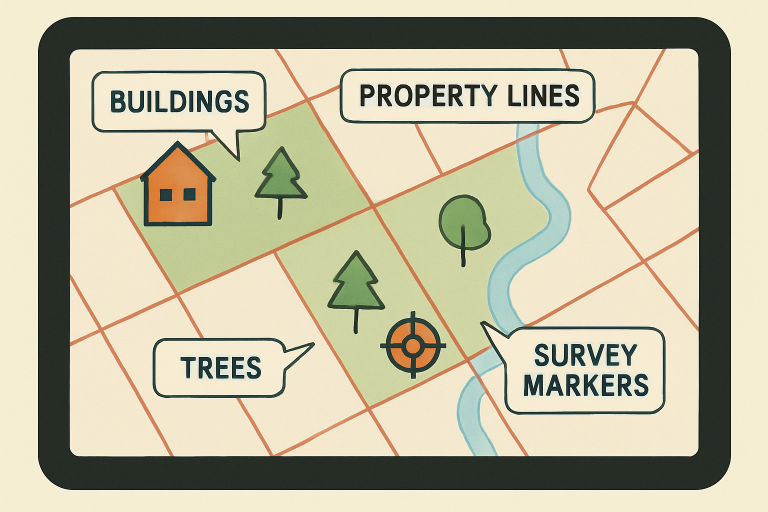
Legal compliance is critical in FSBO sales. You’ll need to prepare proper disclosures regarding the property’s condition and history, in line with state and federal requirements. Failure to disclose known issues can result in serious legal consequences. Research the documents required in your location, such as purchase agreements, lead-paint disclosure forms, and property survey or inspection reports.
If you’re unsure how to proceed or want reassurance, consult a real estate attorney or leverage a transaction coordinator to help you navigate contracts and closing paperwork accurately.
Closing the Sale
After you accept an offer, the closing process begins. Typically, you’ll coordinate escrow through a reputable title company or a licensed legal professional, ensuring that money and ownership are exchanged correctly. Review the final paperwork thoroughly before signing to confirm all financial terms are accurate and agreed-upon repairs or extras are documented.
Once the deed is transferred and funds dispersed, the home sale is complete. It’s wise to retain copies of all documents and receipts for tax records and future reference.
Alternative Options to Traditional Sales
If embarking on a fully independent sale feels overwhelming, third-party services and tech-driven platforms now offer additional pathways. AI-powered real estate platforms can provide guided selling checklists, market analysis tools, and step-by-step support to de-mystify the process for FSBO sellers. Some homeowners choose to work with direct-buying companies, which offer speed and certainty by purchasing homes for cash, bypassing the open market entirely.
Ultimately, selling your house without an agent is a viable option for many, offering both savings and flexibility. By following practical steps, consulting trustworthy resources, and utilizing modern tools, homeowners can confidently manage their property sale and achieve a fast, stress-free closing.