Comparing 2 Axis CNC Lathe Machines with Conventional Lathes
Lathes are fundamental tools in manufacturing, used to shape and machine cylindrical components. Traditionally, conventional lathes operated manually, relying on the skill and experience of the operator to perform cutting, turning, and threading tasks. While these machines remain useful in certain applications, modern manufacturing increasingly relies on CNC technology to improve efficiency, precision, and repeatability. Among these, the 2 axis CNC lathe machine has become a popular choice for workshops and production facilities looking to optimize machining operations.
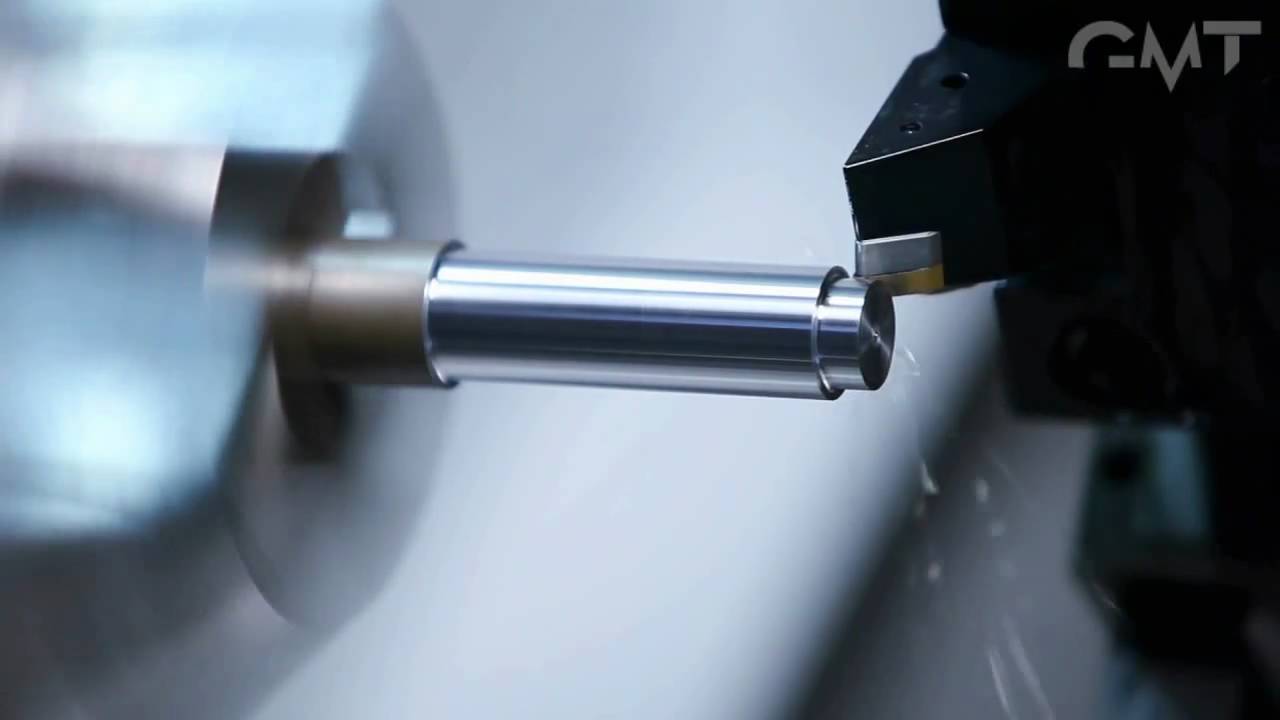
A 2 Axis CNC Lathe Machine operates using computer numerical control, automating movements along the X and Z axes. This allows precise control over cutting tools and workpieces, ensuring consistent results across repeated operations. Unlike conventional lathes, where the operator manually controls feed rates, tool positioning, and cutting depth, CNC lathes follow programmed instructions. This automation reduces the risk of human error and improves both accuracy and production speed. Comparing these two types of machines highlights key differences that influence workflow, efficiency, and component quality.
Precision and Accuracy
Precision is one of the most significant advantages of a 2 axis CNC lathe over a conventional lathe. In manual operations, even skilled operators may produce variations in dimensions due to inconsistencies in tool positioning or measurement errors. Conventional lathes rely heavily on operator expertise, which can make it difficult to maintain tight tolerances over long production runs.
In contrast, a 2 axis CNC lathe machine consistently follows programmed instructions, resulting in highly accurate and repeatable machining. The machine’s rigid structure, precision ball screws, and advanced control systems reduce vibration and enhance dimensional stability. This precision is particularly important in industries such as automotive, aerospace, and medical devices, where even minor deviations can compromise performance or safety.
Production Speed and Efficiency
Another major difference between CNC and conventional lathes is production speed. Manual lathes require constant operator involvement for adjustments, measurements, and repositioning of the workpiece. These steps slow down production and make large-scale manufacturing less efficient.
A 2 axis CNC lathe automates these processes, allowing continuous machining with minimal supervision. Once a program is loaded, the machine can complete multiple operations, including turning, threading, and facing, in a single setup. This automation significantly reduces cycle time, increases throughput, and allows workshops to handle higher production volumes without sacrificing quality.
Flexibility and Complex Machining
While conventional lathes are suitable for simple turning operations, they are limited in performing complex or repetitive tasks. Creating intricate geometries, threading, or precision profiles requires extensive skill and time on a manual lathe.
CNC lathes excel in flexibility, as operators can program complex shapes and repeat them consistently. The 2 axis CNC lathe can execute precise patterns and multiple operations automatically, making it ideal for both prototype work and batch production. Adjusting a CNC program to accommodate design changes is faster and less error-prone than manually reconfiguring a conventional lathe.
Labor Requirements
Manual lathes demand a high level of operator involvement, requiring continuous attention, skill, and expertise. Training and experience are critical for producing accurate components consistently. Any lapse in focus or mistake can lead to defective parts and wasted materials.
In contrast, a 2 axis CNC lathe reduces reliance on operator skill. While operators are still needed to set up the machine, load workpieces, and monitor production, the automated process handles the majority of cutting and positioning tasks. This reduces labor costs, minimizes human error, and allows operators to manage multiple machines simultaneously.
Safety Considerations
CNC lathes generally offer enhanced safety compared to conventional lathes. Manual operations involve direct contact with moving tools, which can pose significant risk if safety protocols are not followed. CNC machines, on the other hand, operate within protective enclosures and perform most operations automatically, reducing operator exposure to cutting tools and rotating parts.
The automation and safety features of a 2 axis CNC lathe also help prevent accidents caused by operator fatigue or misjudgment, making workshops safer and more compliant with modern safety standards.
Cost and Investment
Conventional lathes are typically less expensive to purchase than CNC machines, making them accessible for small workshops or low-volume production. However, the long-term costs associated with labor, rework, and production inefficiencies can outweigh the initial savings.
A 2 axis CNC lathe requires a higher upfront investment but offers significant advantages in productivity, precision, and material efficiency. Over time, these benefits can result in lower operational costs and a faster return on investment, particularly for high-volume or complex manufacturing tasks.
Conclusion
While conventional lathes remain useful for simple, low-volume tasks, the 2 axis CNC lathe machine offers clear advantages in modern manufacturing environments. Its precision, repeatability, speed, flexibility, and safety make it ideal for industries demanding consistent high-quality components. By automating critical turning operations, CNC lathes reduce reliance on operator skill, minimize errors, and increase production efficiency.
For workshops and manufacturers aiming to meet the growing demands of modern industry, investing in a 2 axis CNC lathe provides a strategic advantage. The combination of accuracy, productivity, and adaptability ensures that businesses can maintain competitive performance while delivering high-quality machined components efficiently.