How Facial Sheet Mask Manufacturers Create Effective Skincare Products
Facial sheet masks have become a popular skincare solution for consumers seeking hydration, nourishment, and targeted skin treatments. While the finished product may seem simple, creating an effective sheet mask involves extensive research, high-quality ingredients, advanced manufacturing processes, and strict quality control. Every stage is carefully managed to ensure the product delivers consistent performance and meets safety standards.
Whether you’re developing a new skincare line or expanding your product range, partnering with an experienced facial sheet mask manufacturer can help ensure your products are formulated and produced to meet both consumer expectations and industry regulations.
Research and Formula Development
Every effective sheet mask begins with a carefully designed formula. Manufacturers work with cosmetic scientists and research teams to develop serums that target specific skincare concerns such as hydration, brightening, anti-aging, or soothing sensitive skin.
During product development, manufacturers consider:
- Skin compatibility
- Active ingredient effectiveness
- Product stability
- Absorption performance
- Shelf life
This research helps create formulations that are both safe and effective.
Selecting High-Quality Ingredients
The quality of a sheet mask depends heavily on the ingredients used in its serum. Professional manufacturers source raw materials from trusted suppliers and carefully evaluate them before production begins.
Popular skincare ingredients include:
- Hyaluronic acid
- Vitamin C
- Niacinamide
- Aloe vera
- Collagen
- Botanical extracts
Each ingredient is tested to ensure purity, consistency, and compliance with cosmetic standards.
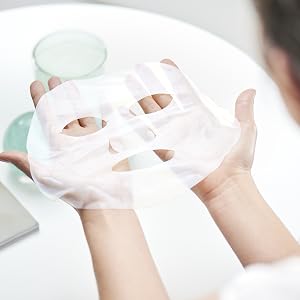
Choosing the Right Sheet Material
The sheet itself plays a significant role in product performance. Manufacturers select materials based on comfort, durability, and the ability to hold and deliver the serum effectively.
Common sheet materials include:
- Cotton
- Bio-cellulose
- Hydrogel
- Bamboo fiber
- Lyocell
Each material offers unique benefits depending on the intended skincare application.
Precision Manufacturing Process
Once the formula and sheet material are approved, production begins using automated equipment designed for accuracy and consistency.
The manufacturing process generally includes:
- Preparing the serum.
- Cutting the sheet material.
- Saturating the sheet with the serum.
- Folding and sealing the mask.
- Packaging under hygienic conditions.
Careful monitoring throughout production helps ensure every mask contains the correct amount of serum.
Strict Quality Control
Quality control is essential throughout the manufacturing process. Every production batch undergoes multiple inspections before reaching the packaging stage.
Typical quality checks include:
- Microbiological testing
- pH verification
- Serum consistency
- Packaging integrity
- Appearance inspection
These procedures help maintain product safety and consistent quality.
Hygienic Packaging
Packaging protects both the sheet mask and its active ingredients. Manufacturers use sealed packaging systems to prevent contamination and preserve product freshness.
Packaging services often include:
- Individual sachet sealing
- Private label printing
- Batch numbering
- Expiration date labeling
- Custom package design
Proper packaging also improves product presentation and consumer confidence.
Regulatory Compliance
Professional manufacturers ensure products comply with cosmetic regulations in the markets where they will be sold.
Compliance typically involves:
- Ingredient documentation
- Product safety assessments
- Label verification
- Manufacturing records
- Quality certifications
Meeting regulatory requirements helps skincare brands avoid legal complications and maintain customer trust.
Continuous Product Innovation
Consumer preferences continue to evolve, making innovation an important part of sheet mask manufacturing.
Manufacturers frequently invest in research to develop:
- New active ingredients
- Sustainable sheet materials
- Eco-friendly packaging
- Advanced serum formulations
- Improved skin absorption technologies
Innovation helps brands remain competitive in the growing skincare industry.
Supporting Private Label Brands
Many facial sheet mask manufacturers provide private label services for businesses looking to launch their own skincare products.
These services may include:
- Ready-made formulations
- Custom formula development
- Branding assistance
- Packaging customization
- Production scaling
Private label manufacturing allows businesses to enter the market efficiently while maintaining their own brand identity.
Why Manufacturing Expertise Matters
Creating an effective facial sheet mask requires expertise in formulation, production, quality control, and regulatory compliance. An experienced manufacturer ensures every product is made using consistent processes and carefully monitored quality standards.
This level of precision helps skincare brands deliver products that perform reliably and build lasting customer confidence.
Conclusion
Facial sheet mask manufacturers play a vital role in creating safe, effective, and high-quality skincare products. From research and ingredient selection to precision manufacturing, quality testing, and packaging, every stage contributes to the performance of the final product.
By partnering with a trusted manufacturing expert, skincare brands can confidently offer sheet masks that meet consumer expectations, comply with industry standards, and support long-term business growth.