Choosing the Right Neoprene Support for Sports and Rehabilitation
Athletes, fitness enthusiasts, and individuals recovering from injuries often require additional support to protect joints, prevent strain, and promote recovery. One of the most effective solutions for these needs is neoprene support products. Designed to provide compression, stability, and warmth, these supports help reduce the risk of injury while enhancing performance and comfort. However, with a variety of options available, choosing the right neoprene support requires careful consideration of factors such as activity type, injury location, and personal comfort.
A Neoprene Support product works by combining flexible compression with structural reinforcement. This combination stabilizes muscles and joints while allowing natural movement. For athletes and individuals in rehabilitation programs, neoprene support provides targeted relief, encourages proper posture, and improves blood circulation to the affected areas. Selecting the appropriate type of support can enhance recovery times, reduce discomfort, and prevent recurring injuries.
Understanding Different Types of Neoprene Support
Neoprene supports are available in various designs to cater to specific body parts and purposes. Understanding these types helps in making an informed decision:
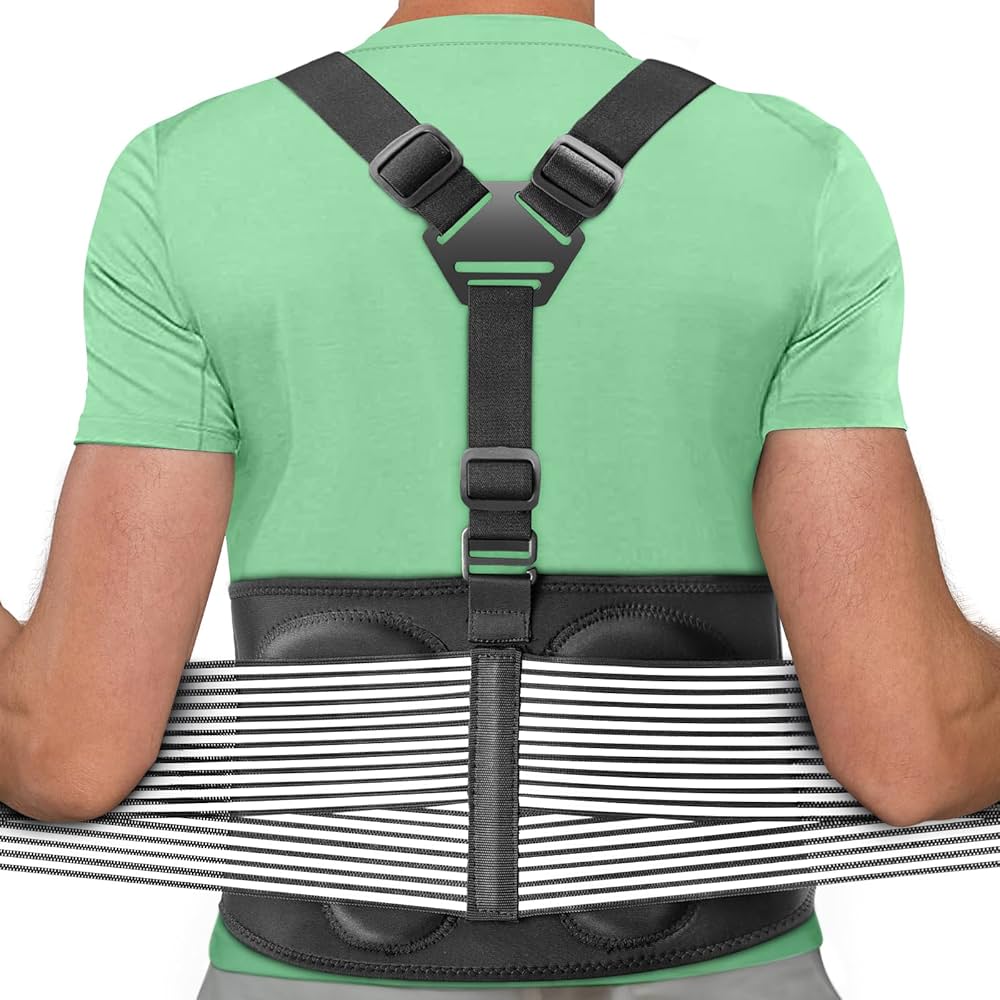
1. Back Supports: These are designed to stabilize the lower back, relieve muscle tension, and improve posture. Ideal for athletes engaging in heavy lifting or individuals recovering from lumbar injuries, back supports prevent excessive strain during movement.
2. Knee Braces: Neoprene knee supports provide compression and joint stability. They are commonly used for sports such as running, basketball, and weightlifting, as well as for rehabilitation after knee injuries or surgeries.
3. Wrist and Elbow Supports: These braces reduce strain on the joints, particularly during repetitive activities or workouts. They are useful for tennis players, weightlifters, or anyone dealing with tendonitis or minor sprains.
4. Ankle and Shoulder Supports: Neoprene sleeves for ankles or shoulders help prevent sprains, improve joint stability, and provide warmth to aid muscle recovery. They are frequently used in rehabilitation and sports performance settings.
Benefits of Neoprene Support in Sports
Neoprene support offers multiple benefits that make it a valuable tool for athletes:
1. Injury Prevention: By stabilizing joints and limiting excessive movement, neoprene support reduces the risk of strains, sprains, and overuse injuries. This is particularly important for high-impact sports and exercises involving heavy lifting or quick directional changes.
2. Enhanced Performance: Supportive compression improves proprioception—the body’s awareness of joint position—allowing athletes to perform movements more confidently and safely.
3. Muscle Support and Fatigue Reduction: Neoprene braces reduce muscle oscillation during activity, which can decrease fatigue and improve endurance. They also provide mild compression that supports circulation and helps maintain muscle warmth.
Benefits of Neoprene Support in Rehabilitation
For individuals recovering from injuries, neoprene support serves as an effective complement to physical therapy and medical treatment:
1. Promotes Healing: Compression and warmth improve blood flow to the affected area, accelerating tissue repair and reducing inflammation.
2. Reduces Pain: By stabilizing the injured joint or muscle, neoprene support minimizes unnecessary movement, preventing additional strain and alleviating discomfort.
3. Encourages Controlled Mobility: While restricting harmful motion, neoprene supports allow safe, controlled movements necessary for rehabilitation exercises. This helps rebuild strength and flexibility without risking re-injury.
How to Choose the Right Neoprene Support
Selecting the appropriate neoprene support requires evaluating several factors:
1. Target Area: Determine which body part requires support—back, knees, wrists, elbows, shoulders, or ankles. Each support type is designed to provide targeted stability and compression for specific joints or muscles.
2. Level of Compression: Choose a support that offers sufficient compression without being overly restrictive. Adjustable straps and Velcro closures allow for customizable support based on activity or recovery needs.
3. Material and Breathability: High-quality neoprene is flexible, durable, and retains warmth. Look for supports with breathable panels or perforations to reduce sweating and increase comfort during extended wear.
4. Activity Type: Consider whether the support is intended for sports performance, rehabilitation, or daily use. Braces for high-intensity sports may require reinforced panels, while rehabilitation supports focus more on gentle stabilization and comfort.
5. Fit and Comfort: A proper fit ensures optimal support and prevents slipping or discomfort during movement. Measuring the affected area accurately before purchasing can help select the correct size.
Tips for Effective Use
To maximize the benefits of neoprene support:
- Follow medical or trainer recommendations regarding duration of use.
- Pair brace use with strengthening exercises to promote long-term joint stability.
- Clean and maintain the support regularly to ensure durability.
- Gradually adjust compression levels as comfort and activity needs change.
Conclusion
Neoprene support products are versatile tools that provide valuable assistance in both sports and rehabilitation settings. By offering compression, stability, and warmth, they reduce the risk of injury, improve performance, and enhance recovery. Choosing the right support involves understanding the type of brace needed, level of compression, fit, and intended activity. With proper selection, fit, and care, neoprene supports can significantly enhance comfort, protect joints, and promote long-term physical health, making them a reliable addition to any athlete’s or patient’s routine.