Metal Wood Grain Chair vs Wooden Chair: Durability and Maintenance Compared
Choosing between a metal wood grain chair and a traditional wooden chair often comes down to durability and maintenance. While both options offer aesthetic appeal, their performance over time can differ significantly depending on usage and environment.
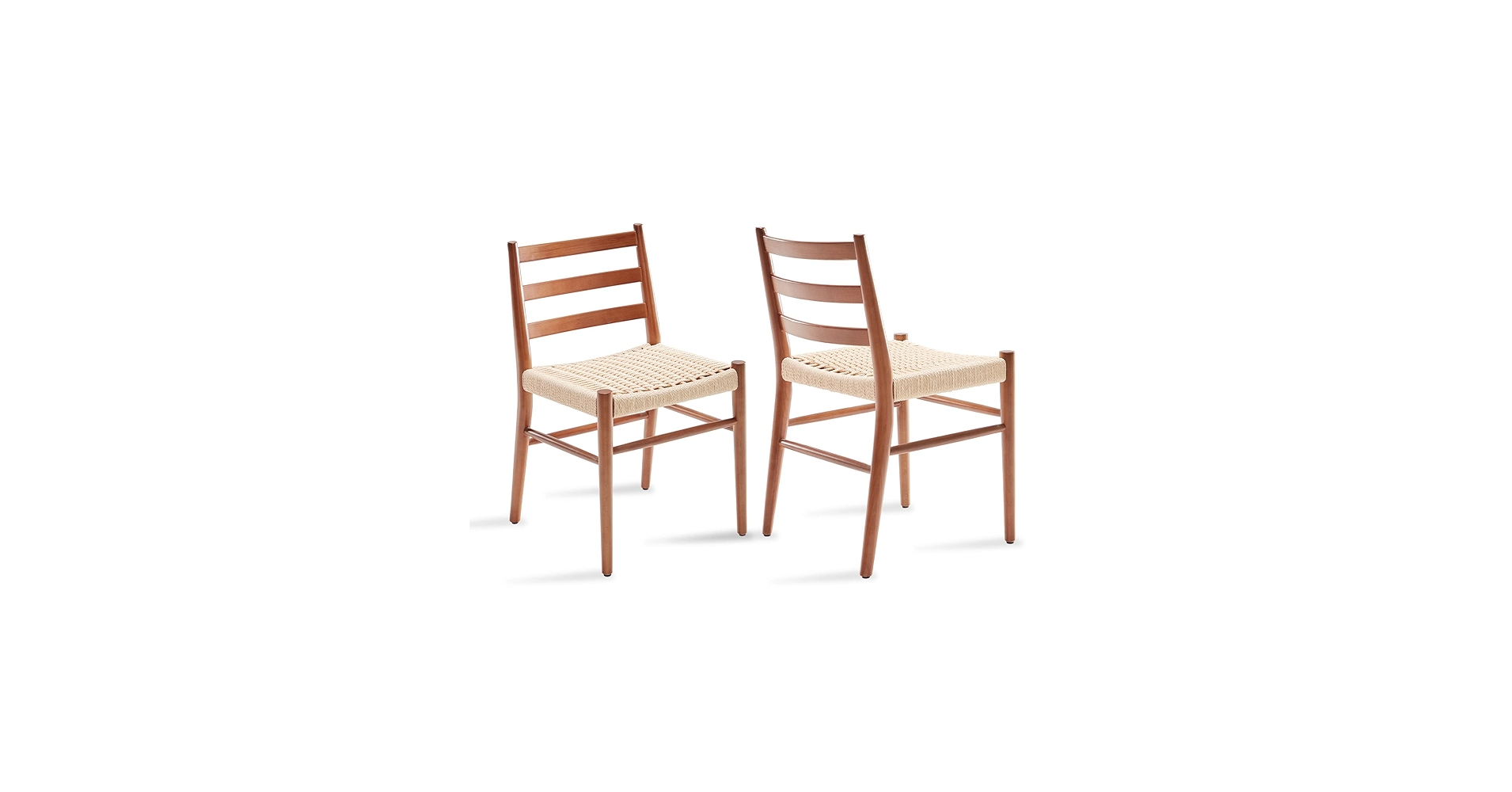
A metal wood grain chair combines the natural look of wood with the strength of metal, making it an increasingly popular choice for modern interiors. Understanding how it compares to wooden chairs can help you make a more informed decision.
Material Composition and Structure
Wooden chairs are crafted from natural timber, which provides a classic and authentic feel. However, the organic nature of wood makes it more sensitive to environmental changes.
In contrast, metal wood grain chairs use aluminum or steel frames with a wood-like finish. This combination enhances structural strength while preserving the visual warmth of wood.
Durability Comparison
Durability is a key factor, especially in high-traffic areas such as restaurants, offices, or busy households.
Metal Wood Grain Chairs
- Resistant to bending, cracking, and warping
- Strong metal frame supports heavy and frequent use
- Surface finish protects against scratches and fading
Wooden Chairs
- Can crack or split over time
- Susceptible to warping due to humidity
- May weaken at joints with prolonged use
Overall, metal wood grain chairs tend to outperform wooden chairs in long-term durability, particularly in demanding environments.
Maintenance Requirements
Maintenance is another important consideration when choosing furniture.
Metal Wood Grain Chairs
These chairs are designed for convenience. Cleaning usually involves a simple wipe with a damp cloth. There is no need for polishing, sealing, or refinishing.
Wooden Chairs
Wooden furniture requires more attention to maintain its appearance. Regular polishing and occasional refinishing may be necessary to prevent dullness and damage.
In environments where time and cost efficiency matter, metal wood grain chairs offer a clear advantage.
Resistance to Environmental Factors
Environmental exposure can significantly affect furniture lifespan.
Moisture and Temperature
Wood expands and contracts with changes in humidity and temperature, which can lead to cracks or warping. Metal wood grain chairs are far more stable under these conditions.
Pests and Damage
Wooden chairs are vulnerable to termites and other pests. Metal alternatives eliminate this risk entirely, making them more reliable in various climates.
Cost Considerations
Initial costs for wooden chairs can vary depending on the type of wood used. High-quality hardwood furniture can be expensive.
Metal wood grain chairs often provide better value over time due to:
- Lower maintenance costs
- Longer lifespan
- Reduced need for repairs or replacement
This makes them a cost-effective option for both residential and commercial use.
Aesthetic Appeal and Versatility
Both chair types offer strong visual appeal, but metal wood grain chairs provide greater flexibility in design.
Modern finishing techniques allow them to replicate various wood textures and colors with high accuracy. This makes it easier to match different interior styles without the limitations of natural wood availability.
Best Use Cases
Each type of chair has its ideal applications:
Metal Wood Grain Chairs:
- Restaurants and cafés
- Outdoor seating areas
- Event venues
- Busy households
Wooden Chairs:
- Traditional interiors
- Low-traffic areas
- Decorative or accent seating
Conclusion
When comparing durability and maintenance, metal wood grain chairs stand out as the more practical option. They offer the beauty of wood without the common drawbacks, such as warping, cracking, or high maintenance needs.
Wooden chairs still hold value for their natural authenticity, but for those seeking long-lasting performance and ease of care, metal wood grain chairs provide a reliable and efficient solution.