
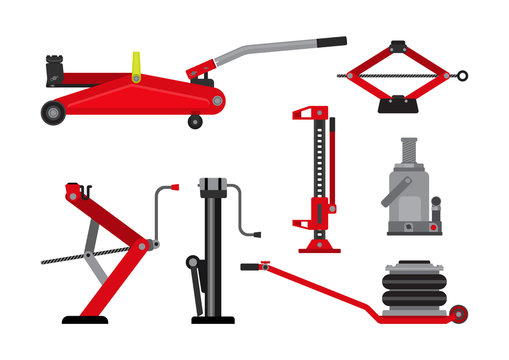
Different Types of Hydraulic Jacks Explained
Hydraulic jacks are essential lifting tools used in automotive workshops, construction sites, warehouses, and industrial facilities. They use hydraulic pressure to lift heavy loads with minimal manual effort, making them more efficient than traditional mechanical jacks. Understanding the different types of hydraulic jacks helps users choose the right equipment for specific lifting tasks while improving both safety and productivity.
Each type of hydraulic jack is designed for particular applications, offering unique advantages depending on the load, lifting height, and working environment. Choosing a reliable Hydraulic Jack ensures dependable performance, durability, and safe operation for a wide range of professional and personal projects.
How Hydraulic Jacks Work
Hydraulic jacks operate based on Pascal’s Law, which states that pressure applied to a confined fluid is transmitted equally throughout the system. When the handle is pumped, hydraulic fluid moves through the cylinder and pushes a piston upward, creating enough force to lift heavy objects.
This hydraulic mechanism allows users to lift substantial weights with far less effort than mechanical alternatives.
Bottle Hydraulic Jacks
Bottle jacks are among the most common hydraulic lifting tools. Their compact, vertical design resembles a bottle, giving them their name.
Key Features
- High lifting capacity
- Compact and easy to store
- Suitable for heavy-duty vehicles
- Durable construction
Best Applications
Bottle jacks are ideal for:
- Trucks
- SUVs
- Agricultural machinery
- Industrial equipment
- Heavy trailers
Although powerful, they require higher ground clearance due to their vertical structure.
Floor Hydraulic Jacks
Floor jacks feature a horizontal design mounted on wheels, allowing them to slide easily beneath vehicles. They are widely used in automotive repair shops because of their stability and ease of operation.
Advantages
- Low-profile design
- Smooth lifting action
- Wide lifting range
- Excellent stability
- Easy mobility
Common Uses
Floor jacks are commonly used for:
- Passenger cars
- Sports cars
- Vehicle maintenance
- Tire replacement
- Brake and suspension repairs
Toe Hydraulic Jacks
Toe jacks are specially designed for lifting heavy machinery with very little ground clearance. They can lift from both the toe plate and the top saddle, making them highly versatile.
Typical Applications
- Machinery installation
- Factory maintenance
- Equipment relocation
- Manufacturing facilities
Their ability to lift from extremely low positions makes them valuable for industrial environments.
Transmission Jacks
Transmission jacks are specifically designed to support and remove vehicle transmissions during maintenance or replacement.
Benefits
- Secure support for transmissions
- Adjustable lifting height
- Controlled positioning
- Enhanced workplace safety
These jacks are commonly found in professional automotive repair facilities.
Air Hydraulic Jacks
Air hydraulic jacks combine compressed air with hydraulic power to provide faster lifting with minimal physical effort.
Advantages
- Rapid lifting
- Reduced operator fatigue
- Suitable for frequent use
- High efficiency
Ideal Users
They are commonly used in:
- Commercial garages
- Fleet maintenance centers
- Heavy equipment repair shops
Long Ram Hydraulic Jacks
Long ram jacks have an extended hydraulic cylinder that provides a greater lifting range than standard bottle jacks.
Common Applications
- Engine hoists
- Shop cranes
- Agricultural equipment
- Industrial lifting systems
Their extended stroke makes them ideal for lifting equipment that requires greater vertical travel.
Portable Hydraulic Jacks
Portable hydraulic jacks are lightweight models designed for emergency roadside repairs and occasional maintenance.
Advantages
- Easy transportation
- Compact storage
- Quick setup
- Convenient for travel
They are an excellent option for drivers who want dependable lifting equipment without carrying bulky tools.
Factors to Consider When Choosing a Hydraulic Jack
Selecting the right hydraulic jack depends on several important factors:
- Maximum lifting capacity
- Minimum lifting height
- Maximum lifting height
- Available workspace
- Frequency of use
- Type of vehicle or equipment
- Portability requirements
Choosing the correct jack improves efficiency while ensuring safe lifting operations.
Safety Tips for Hydraulic Jack Use
Safe operation is essential regardless of the jack type.
Follow these recommendations:
- Always use the jack on a solid, level surface.
- Never exceed the manufacturer’s weight capacity.
- Position the jack at approved lifting points.
- Support raised loads with jack stands.
- Inspect the hydraulic system regularly for leaks.
- Lower loads slowly and carefully after completing the work.
Proper safety practices significantly reduce the risk of accidents and equipment damage.
Maintaining Hydraulic Jacks
Routine maintenance helps extend the service life of hydraulic jacks and ensures reliable operation.
Maintenance tasks include:
- Checking hydraulic fluid levels
- Cleaning after each use
- Inspecting seals and valves
- Lubricating moving parts
- Storing the jack in a dry environment
Regular inspections also help identify wear before it affects lifting performance.
Conclusion
Hydraulic jacks are available in several designs, each suited to different lifting requirements. Bottle jacks provide exceptional lifting power, floor jacks offer convenience for vehicle maintenance, toe jacks excel in industrial settings, while air hydraulic and transmission jacks meet specialized needs.
Understanding the strengths of each type allows users to select the most suitable hydraulic jack for their work, ensuring greater efficiency, improved safety, and dependable performance across automotive, construction, agricultural, and industrial applications.