
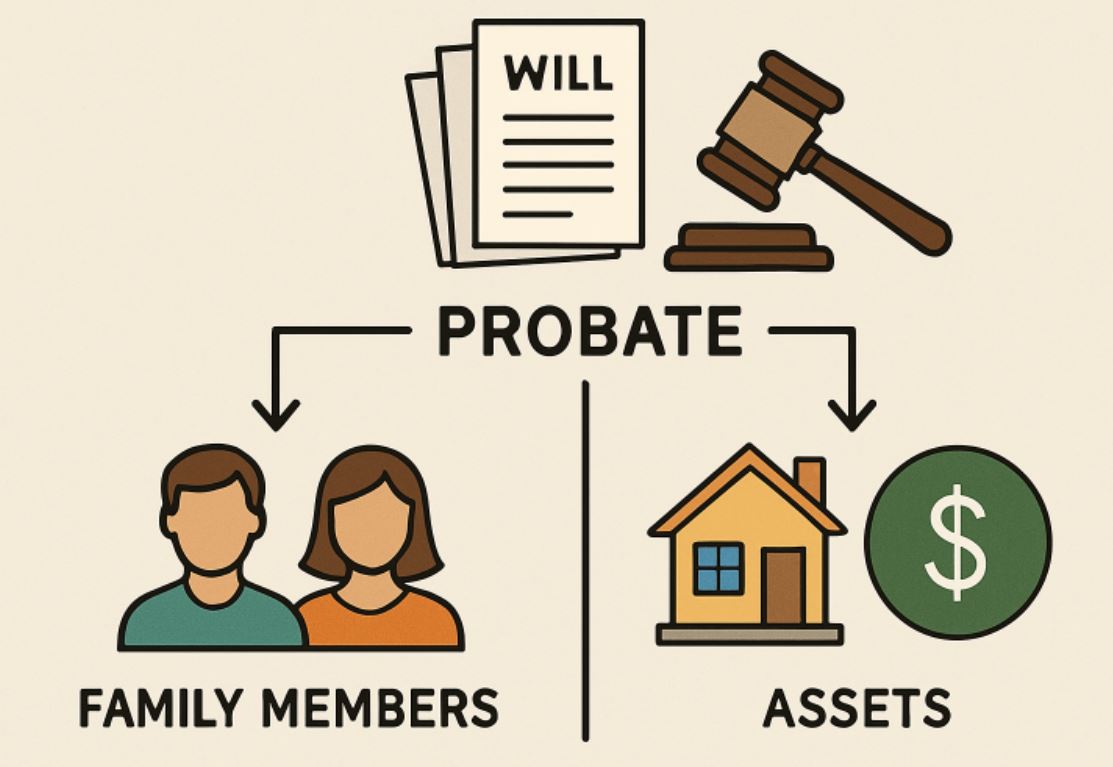
How Probate Works in Modern Estate Planning
Key Takeaways
- Probate is the legal process of validating a will and distributing assets.
- Modern estate planning strategies can help minimize or avoid the need for probate.
- Technological advancements are streamlining the probate process.
Table of Contents
- Understanding Probate
- Steps in the Probate Process
- Common Challenges in Probate
- Strategies to Avoid Probate
- The Role of Technology in Probate
- Importance of Regular Estate Plan Updates
- Conclusion
Probate Process
Probate is a key legal process that impacts how an individual’s assets are distributed after death. Understanding its function within modern estate planning is vital for anyone wishing to ensure their assets are handled according to their wishes and avoid unnecessary delays or court involvement. In situations where state-specific expertise is needed, seeking guidance from probate attorneys in Colorado can streamline the process and help you stay compliant with local requirements.
Probate not only validates a person’s will but also provides a structured framework for settling debts, taxes, and ultimately distributing inheritances. The evolution of the probate process, influenced by legal and technological advancements, means today’s estate planning strategies can help minimize costs and administrative burdens for surviving loved ones.
Because probate can sometimes be cumbersome, many people are integrating new tools and digital solutions to expedite proceedings and reduce disputes. As part of a comprehensive estate plan, understanding all aspects of probate will protect your legacy and give peace of mind to your beneficiaries.
It’s equally important to be aware of developments in probate law, such as those discussed in reputable outlets like Forbes, which explore how digital solutions and updated statutes are shaping the experience for families nationwide.
Understanding Probate
Probate is the court-supervised method of authenticating a last will and overseeing the administration of a deceased person’s estate. Even when a valid will is present, probate ensures legal oversight that reduces the risk of fraud, confirms the executor’s authority, and holds parties accountable to state law. When no will is present, probate courts follow the rules of intestacy, meaning state statutes determine who inherits the assets.
The necessity of probate also depends on the estate’s complexity and the types of assets involved. Assets held only in the deceased’s name typically require probate, while those with joint tenants or beneficiaries named—like insurance policies or retirement plans—often avoid this process. The duration and cost of probate provide strong incentives for families to consider strategies that bypass formal court involvement.
Steps in the Probate Process
- Filing the Petition: Probate begins when the named executor or an interested party files a petition with the court. The judge reviews the will, if one exists, and appoints an executor or administrator to manage the estate.
- Notifying Heirs and Creditors: The court requires official notice to be given to all beneficiaries, heirs, and known creditors. This allows interested parties to make claims or contest the will.
- Inventorying Assets: The executor is responsible for locating and valuing all assets owned by the deceased. This can include real estate, bank accounts, investment portfolios, and personal belongings.
- Paying Debts and Taxes: Before anything is distributed to heirs, the estate must pay outstanding debts and final taxes. This includes notifying government agencies, such as the IRS, and paying off approved creditor claims.
- Distributing Remaining Assets: Once debts and taxes are settled, the executor distributes the remaining property in accordance with the will or, if there’s no will, according to state law.
Common Challenges in Probate
While probate offers legal protections, it is often criticized for being slow, expensive, and occasionally contentious. The time required to settle an estate varies widely—simple cases can take months, while complicated estates with disputed wills or assets in multiple states may take years. Families may face court fees, attorney expenses, and administrative costs that reduce the total amount ultimately received by heirs.
- Lengthy Timelines: Probate proceedings can stretch over a year, especially if disputes or complex assets are involved.
- High Costs: Costs such as court filing fees and executor commissions can eat into the estate’s value.
- Family Disputes: Unresolved conflicts or perceived unfairness often result in legal contests, further delaying distribution.
- State-Specific Differences: Each jurisdiction applies unique probate laws, creating challenges for multi-state estates.
According to Forbes, choosing the right estate planning strategy is crucial for avoiding many of these pitfalls and ensuring a smoother transition for your loved ones.
Strategies to Avoid Probate
Modern estate planning frequently incorporates options intended to reduce or circumvent probate wherever possible. Among the most effective methods are:
- Revocable Living Trusts: These trusts let you move assets out of your individual ownership so they can be passed to beneficiaries efficiently without needing probate court approval.
- Joint Ownership: Owning property with another person—commonly a spouse—with rights of survivorship ensures the property passes automatically to the surviving co-owner.
- Beneficiary Designations: Many financial accounts allow you to designate one or more beneficiaries. These assets, such as IRAs, 401(k)s, and life insurance, transfer directly outside of probate.
- Lifetime Gifts: Giving away assets while you are still alive decreases the overall value of your estate, reducing what’s subject to probate later.
The Role of Technology in Probate
Innovation is simplifying and speeding up the probate experience for families and executors. Companies now offer secure digital will platforms, making it easier for documents to be accessed at the needed time and decreasing the risk of fraudulent claims or “lost” paperwork. Automation tools also help executors by generating required legal forms, managing asset inventories, and streamlining court filings with electronic submission.
- Digital Wills: Online solutions enable secure storage and expedited access to probate court.
- Blockchain Technology: This advanced system can track and verify transfers of title or ownership, supporting fairness and transparency.
- Process Automation: Software manages notifications, deadlines, and routine filings for faster and more accurate compliance.
Recent comprehensive reviews on technology’s impact on probate can be found via resources like the American Bar Association.
Importance of Regular Estate Plan Updates
Estate plans are not one-time documents; regular reviews are crucial to reflect life changes, such as marriage, divorce, the addition of new family members, or significant changes in assets. Failing to update your will or beneficiary designations can inadvertently leave out intended heirs or include people whom you no longer wish to benefit. Frequent reviews help to close gaps that could otherwise lead to costly, contentious probate court intervention.
Conclusion
Understanding how probate fits within modern estate planning is fundamental for anyone wishing to protect their assets and loved ones. By employing strategies to minimize or bypass probate and taking advantage of technological developments, you can reduce expenses and complexity for your beneficiaries. Regularly updating your estate documents ensures that your intentions are clear, actionable, and legally sound, providing lasting peace of mind for you and your heirs.