
Manufacturing Process Behind KKR Solid Surface Technology
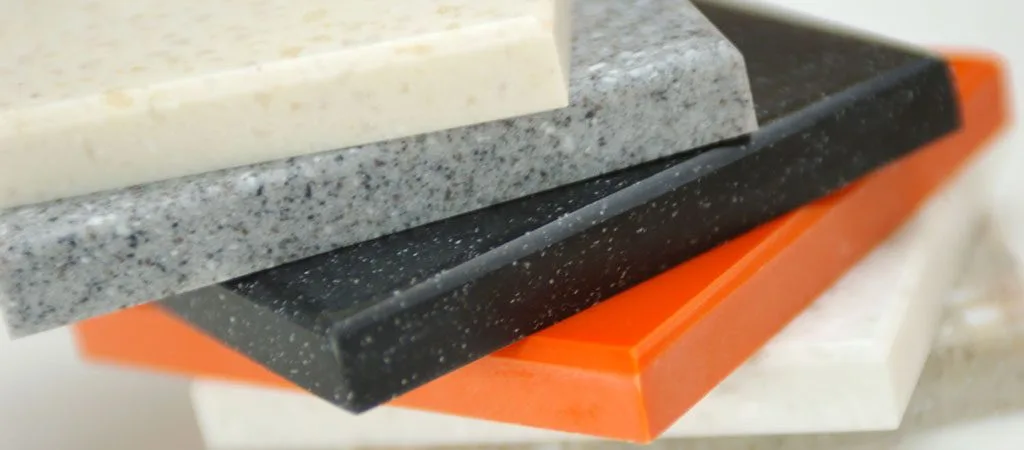
Solid surface materials have become widely used in modern construction and interior design due to their durability, seamless appearance, and versatility. These materials are commonly found in kitchen countertops, bathroom fixtures, wall panels, reception desks, and many other architectural elements. Their ability to combine strength with design flexibility makes them suitable for both residential and commercial projects. Behind the smooth and elegant appearance of solid surface materials lies a sophisticated manufacturing process that ensures consistent quality and long-lasting performance.
The production of solid surface materials involves a combination of advanced material science and precision manufacturing technologies. Carefully selected raw materials are processed through multiple stages including mixing, casting, curing, cutting, and finishing. One example of such engineered materials is KKR Solid Surface, which is produced using modern manufacturing techniques designed to create durable and visually appealing surfaces for a wide range of applications.
Raw Material Selection and Preparation
The manufacturing process begins with the careful selection of raw materials. Solid surface products are generally made from a combination of acrylic resins, natural minerals, and pigments. Acrylic resins provide flexibility and strength, while minerals such as aluminum hydroxide contribute to hardness and heat resistance. Pigments are added to create the desired colors and patterns.
The quality of these raw materials directly influences the performance of the final product. Manufacturers use high-purity components to ensure durability, uniform texture, and long-term color stability. Once the materials are selected, they are precisely measured and prepared for mixing.
Modern manufacturing facilities often use automated systems to control the exact proportions of each ingredient. Accurate measurement ensures that every batch maintains the same chemical composition, which is essential for producing consistent solid surface sheets and sanitary products.
Mixing and Blending Process
After preparation, the raw materials are blended together in specialized industrial mixers. This stage ensures that the acrylic resin, mineral fillers, and pigments are distributed evenly throughout the mixture. Uniform mixing is essential because it prevents weak points or color inconsistencies in the final product.
Advanced mixing equipment operates under controlled conditions to maintain the correct temperature and viscosity of the material. During this stage, additional additives may be introduced to improve certain characteristics such as impact resistance, flexibility, or surface smoothness.
The result of the mixing process is a homogenous liquid compound that can be poured into molds or casting systems. The uniform composition of this mixture ensures that the finished product will have consistent physical properties across its entire surface.
Casting and Molding Technology
Casting is one of the most critical stages in the manufacturing process. The prepared mixture is poured into specially designed molds or flat casting systems that determine the shape and thickness of the final product. These molds may be used to produce solid surface sheets, sinks, bathtubs, or other customized items.
Precision mold design is essential for maintaining uniform thickness and preventing defects such as air bubbles or uneven surfaces. Many manufacturers use vibration technology during casting to remove trapped air and improve the density of the material.
The casting process allows manufacturers to create a wide variety of product shapes and sizes. Flat sheets are typically used for countertops and wall panels, while specialized molds are used for sanitary ware such as basins and bathtubs.
Curing and Hardening Stage
Once the material has been poured into molds, it must undergo a curing process. Curing involves heating the material under controlled conditions to allow the chemical reaction between the resin and mineral components to fully develop. This stage transforms the liquid mixture into a solid, durable surface.
Temperature and curing time are carefully controlled to ensure that the material reaches its optimal hardness and strength. Improper curing could result in structural weaknesses or surface imperfections, so manufacturers rely on advanced temperature control systems to maintain consistent conditions.
After curing is complete, the solid surface material is removed from the mold and prepared for the next stage of processing.
Cutting and Fabrication
Following the curing process, the solid surface sheets or molded products are trimmed and shaped according to their intended use. Computer Numerical Control (CNC) machines are commonly used in this stage because they can cut materials with extremely high precision.
CNC technology allows manufacturers to create exact dimensions, intricate edge profiles, and customized shapes for specific projects. For example, countertops may require sink cutouts, while decorative panels may involve complex geometric designs.
This stage also includes the preparation of surfaces for seamless joining. One of the advantages of solid surface materials is that separate pieces can be joined together in a way that creates nearly invisible seams, giving installations a continuous and uniform appearance.
Sanding, Polishing, and Surface Finishing
After fabrication, the material undergoes sanding and polishing to achieve the desired finish. Multiple stages of sanding are used to smooth the surface and remove any minor imperfections created during cutting or molding.
The final polishing stage determines whether the surface will have a matte, satin, or high-gloss finish. Polishing machines and skilled technicians work together to ensure a smooth and visually appealing surface.
This finishing process not only improves aesthetics but also enhances the material’s resistance to stains and scratches. A properly polished solid surface is easier to clean and maintain over time.
Quality Inspection and Testing
Quality control is a critical component of the manufacturing process. Each batch of solid surface material undergoes inspection to ensure it meets industry standards for strength, color consistency, and surface quality.
Manufacturers often conduct tests for impact resistance, heat tolerance, and stain resistance. These evaluations help confirm that the products can perform reliably in demanding environments such as kitchens, hospitals, and commercial spaces.
Quality inspection also ensures that the finished products are free from structural defects before they are packaged and shipped to customers.
Conclusion
The manufacturing process behind solid surface technology involves a series of carefully controlled stages designed to produce durable, hygienic, and visually appealing materials. From raw material selection and precision mixing to casting, curing, fabrication, and finishing, each step plays an essential role in achieving high-quality results.
Through advanced manufacturing techniques and strict quality control procedures, products such as KKR Solid Surface are able to meet the demands of modern architecture and interior design. This combination of technology and material science ensures that solid surface materials remain a reliable and versatile solution for residential, commercial, and public space applications.