
Radiation Sensor: Types, Functions, and Applications Explained
A Radiation Sensor is a device designed to detect and measure various forms of radiation, including solar, nuclear, and electromagnetic radiation. These sensors play a crucial role in multiple fields, from environmental monitoring and industrial safety to medical diagnostics and renewable energy systems. By converting radiation into measurable electrical signals, radiation sensors provide accurate, real-time data that can be used for analysis, monitoring, and control. Understanding the types, functions, and applications of these sensors is essential for selecting the right device for a specific purpose.
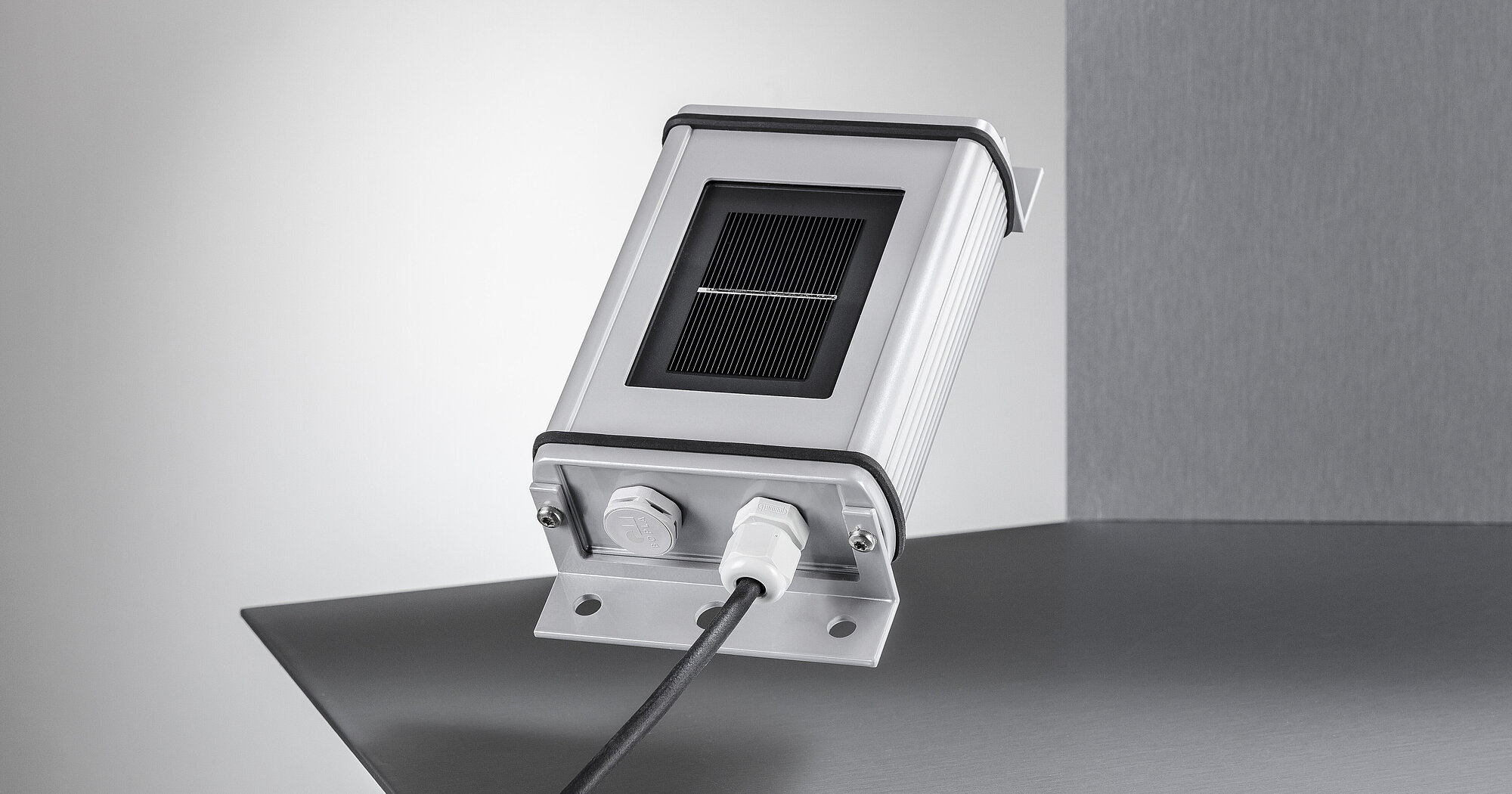
Radiation sensors come in several types, each tailored to detect specific forms of radiation. For measuring solar energy, specialized devices like the Radiation Sensor are designed to accurately capture solar irradiance across the visible, infrared, and ultraviolet spectrum. These sensors are commonly used in photovoltaic systems, climate research, and agricultural monitoring to ensure optimal energy production and environmental assessment. Other types of radiation sensors are designed for detecting ionizing radiation, such as alpha, beta, and gamma particles, which are essential in nuclear safety, medical imaging, and scientific research.
Types of Radiation Sensors
Solar Radiation Sensors
Solar radiation sensors, also called solar irradiance sensors, are used to measure sunlight intensity on a surface. These sensors often utilize photovoltaic cells, thermopiles, or photodiodes to convert sunlight into an electrical signal proportional to the intensity. Solar radiation sensors are widely used in solar panel monitoring, weather stations, and agricultural applications. They help optimize energy generation, study solar patterns, and improve crop management by providing accurate measurements of light exposure.
Nuclear Radiation Sensors
Nuclear radiation sensors detect ionizing radiation, including alpha, beta, and gamma rays. Common types include Geiger-Müller counters, scintillation detectors, and semiconductor detectors. Geiger-Müller counters produce audible clicks or electronic pulses when radiation particles interact with the sensor, providing a simple way to measure radiation levels. Scintillation detectors use materials that emit light when exposed to radiation, while semiconductor detectors convert radiation into electrical charges. These sensors are critical in nuclear power plants, research laboratories, and radiological safety applications.
Electromagnetic Radiation Sensors
Electromagnetic radiation sensors measure non-ionizing radiation, such as radio waves, microwaves, and infrared radiation. These sensors are widely used in telecommunications, industrial monitoring, and security systems. By detecting electromagnetic signals and converting them into usable data, these sensors help monitor environmental exposure, optimize signal strength, and ensure compliance with safety regulations.
Functions of Radiation Sensors
Radiation sensors serve multiple functions depending on the type and application. The primary functions include:
- Detection – Identifying the presence of radiation in the environment or from a specific source.
- Measurement – Quantifying the intensity or energy of radiation accurately.
- Monitoring – Providing continuous or periodic data for research, safety, and operational control.
- Alerting – Triggering alarms or notifications when radiation levels exceed safe thresholds.
In solar energy applications, radiation sensors are used to monitor sunlight levels in real-time, allowing for optimal positioning of solar panels and accurate energy production forecasts. In industrial and medical environments, radiation sensors ensure the safety of personnel and equipment by providing alerts when hazardous radiation levels are detected.
Applications of Radiation Sensors
Radiation sensors have a wide range of applications across industries:
Solar Energy
In renewable energy, radiation sensors measure solar irradiance to optimize photovoltaic panel performance and track energy efficiency. These measurements help forecast energy production and assess the impact of environmental conditions, such as cloud cover or shading, on system output.
Environmental Monitoring
Radiation sensors monitor natural and artificial radiation sources in the environment. Solar radiation sensors are used to track sunlight levels, while nuclear radiation sensors detect contamination or exposure in areas near nuclear plants or laboratories.
Agriculture
In agriculture, radiation sensors provide critical data on sunlight exposure for crops. Greenhouses and open-field operations benefit from monitoring light intensity, which helps improve plant growth, photosynthesis, and crop yield.
Industrial and Medical Safety
Nuclear and electromagnetic radiation sensors are essential in industrial plants, research facilities, and hospitals. They detect harmful radiation, ensure compliance with safety standards, and protect workers from overexposure. In medical imaging, sensors ensure that radiation levels remain within safe limits during procedures like X-rays or CT scans.
Scientific Research
Researchers use radiation sensors to study solar energy, atmospheric conditions, radiation transport, and cosmic phenomena. Accurate radiation data is vital for experiments in physics, climatology, and material science, enabling discoveries and innovations in energy and safety technologies.
Maintenance and Calibration
To ensure accurate performance, radiation sensors require regular maintenance and calibration. Solar radiation sensors must be cleaned to prevent dust or debris from affecting readings, while nuclear radiation sensors require periodic calibration against reference sources to maintain precision. Proper upkeep extends the sensor’s lifespan and ensures reliable data for research, energy, or safety applications.
Conclusion
A Radiation Sensor is a versatile instrument critical for measuring and monitoring various forms of radiation, including solar, nuclear, and electromagnetic. Understanding the types, functions, and applications of these sensors helps users select the right device for their needs. From solar energy optimization and agricultural monitoring to industrial safety and scientific research, radiation sensors provide precise and reliable data that supports informed decision-making and enhances operational efficiency.