Why KfW-40 Standard Homes Are the Future of Renting in Germany

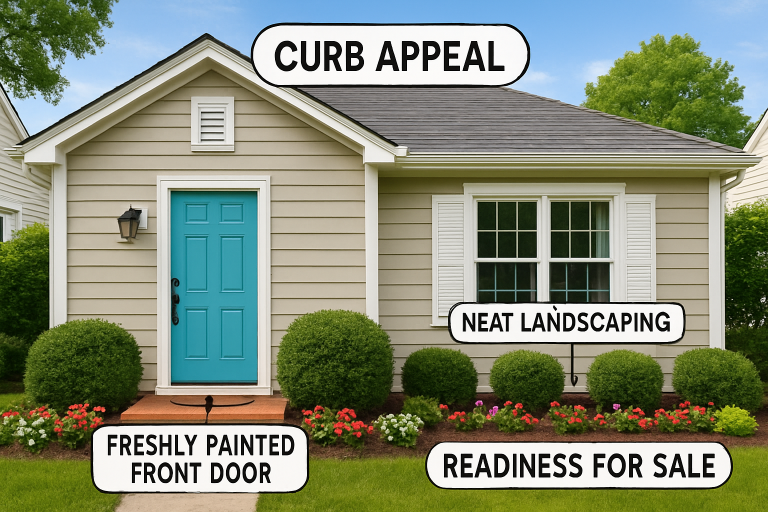
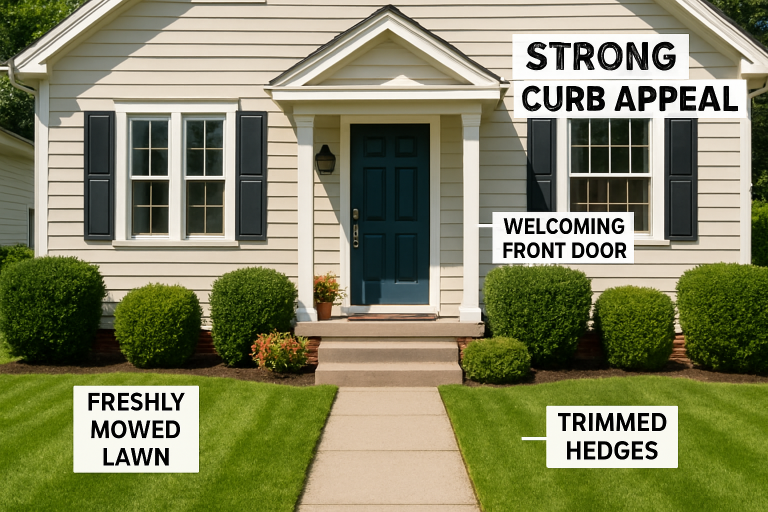
Modern energy-efficient homes in Germany — the future of sustainable renting. Photo: Unsplash
The German real estate market is undergoing a quiet revolution. As energy costs soar and environmental awareness grows, a new generation of renters is no longer just asking “how much?” — they are asking “how efficient?” This shift has put KfW-40 standard homes at the centre of Germany’s rental market, and for good reason.
What Is the KfW-40 Standard?
The KfW-40 standard is an energy efficiency benchmark set by Germany’s state-owned development bank, KfW (Kreditanstalt für Wiederaufbau). A building that meets this standard consumes no more than 40% of the energy required by a standard new build under Germany’s Energy Saving Ordinance (EnEV).
In practical terms, this means:
- Air-source heat pumps replacing traditional gas or oil heating
- Photovoltaic (solar) panels generating on-site electricity
- Triple-glazed windows minimising heat loss
- Mechanical ventilation with heat recovery (MVHR) for fresh air without energy waste
- Highly insulated walls, roof and floor reducing thermal bridging
The result is a home that stays warm in winter, cool in summer, and costs significantly less to run than a conventional property.
Why Renters Are Choosing Energy-Efficient Homes
According to data from the German Energy Agency (dena), households in older, poorly insulated buildings spend up to three times more on heating than those in modern, energy-efficient properties. With gas prices having risen dramatically in recent years, this difference has become impossible to ignore.
For renters, the benefits of a KfW-40 home include:
- Lower monthly running costs — reduced heating and electricity bills offset a higher base rent
- Stable energy costs — heat pumps run on electricity, shielding tenants from volatile gas prices
- Healthier indoor air quality — MVHR systems filter incoming air, reducing allergens and humidity
- Environmental responsibility — a significantly lower carbon footprint compared to older housing stock
- Future-proof living — as Germany phases out fossil fuel heating by 2045, KfW-40 homes are already compliant
The Nürnberg Rental Market: A Case Study
 Nürnberg — one of Germany’s most liveable cities with growing demand for modern rental homes. Photo: Unsplash
Nürnberg, Bavaria’s second-largest city, has long been one of Germany’s most attractive mid-sized cities for families and young professionals. With excellent transport links — including the A73 and A6 motorways and a well-connected U-Bahn network — and a thriving economy anchored by companies like Siemens and Bosch, demand for quality rental housing continues to grow.
Yet supply of modern, energy-efficient rental properties remains limited. Most of Nürnberg’s rental stock consists of older apartments in multi-storey buildings, leaving families seeking houses with gardens significantly underserved.
This gap is precisely what developments like Hainberg Homes are addressing. Located in the quiet residential district of Gebersdorf in southwest Nürnberg, Hainberg Homes offers a development of newly built KfW-40 Reihenhäuser (terraced houses) ranging from 85 m² to 145 m². Each home comes with a private garden, fitted kitchen, heat pump, and solar panels — all available to rent rather than buy, making high-quality, sustainable living accessible to a wider range of households.
Renting vs. Buying a KfW-40 Home: What Makes More Sense?
For many Germans, the traditional aspiration of homeownership is becoming increasingly difficult to achieve. Property prices in cities like Nürnberg, Munich and Frankfurt have risen sharply over the past decade, pushing purchase prices well beyond the reach of average earners.
Renting a KfW-40 home offers a compelling middle ground:
| Factor | Buying | Renting KfW-40 |
|---|---|---|
| Upfront capital required | High (20–30% deposit) | Low (3 months deposit) |
| Flexibility | Low | High |
| Maintenance responsibility | Owner | Landlord |
| Access to modern, efficient homes | Limited by budget | Growing availability |
| Monthly energy costs | Low | Low |
For families who want the experience of living in a modern, spacious house with a garden — without the financial commitment of a mortgage — renting a KfW-40 home represents an increasingly attractive option.
What to Look for When Renting an Energy-Efficient Home in Germany
If you are considering renting a KfW-40 or similarly rated property, here are the key questions to ask your prospective landlord:
- What is the energy performance certificate (Energieausweis) rating? Look for class A or A+.
- What type of heating system is installed? Air-source or ground-source heat pumps are ideal.
- Are solar panels included, and does the tenant benefit from the generated electricity?
- What are the estimated annual running costs (Nebenkosten)?
- Is the building newly constructed or recently renovated to modern standards?
A transparent landlord will answer all of these questions clearly and provide supporting documentation.
The Outlook for Energy-Efficient Rentals in Germany
Germany’s Building Energy Act (GEG), updated in 2024, has set a clear direction of travel: new buildings must increasingly rely on renewable energy sources for heating, and older buildings face growing pressure to retrofit. This regulatory environment, combined with rising energy costs and growing environmental awareness among tenants, means that demand for KfW-40 and similarly efficient rental properties will only increase.
For renters, now is an excellent time to prioritise energy efficiency when searching for a new home. The savings in running costs, combined with the comfort and health benefits of modern construction, make KfW-40 homes a genuinely superior choice — not just an environmentally virtuous one.
For those searching in the greater Nürnberg area, Hainberg Homes in Gebersdorf offers one of the region’s few purpose-built KfW-40 rental developments, with flexible house sizes and immediate availability on selected units. Prospective tenants can request a full exposé directly through their website.