Wudu Basin vs. Traditional Wash Basin: What’s the Difference?
When designing an ablution area for a mosque, Islamic center, or even a private home, choosing the right type of wash basin is an important decision. While traditional wash basins are suitable for general handwashing and everyday use, they are not specifically designed for the Islamic practice of wudu. Understanding the differences can help you select a solution that offers greater comfort, hygiene, and efficiency.
A dedicated Wudu basin is engineered to support the ablution process by allowing users to wash their feet and other body parts with ease. Unlike a conventional wash basin, it minimizes awkward movements, reduces water splashing, and creates a safer environment for daily use. These practical benefits make it a preferred choice for mosques and other facilities serving Muslim communities.
What Is a Traditional Wash Basin?
A traditional wash basin is a standard bathroom fixture designed for everyday tasks such as washing hands, brushing teeth, or cleaning the face. These basins are commonly found in homes, offices, restaurants, and public restrooms.
Although they can be used for ablution, they are not specifically designed for washing the feet, often making the process less convenient.
What Is a Wudu Basin?
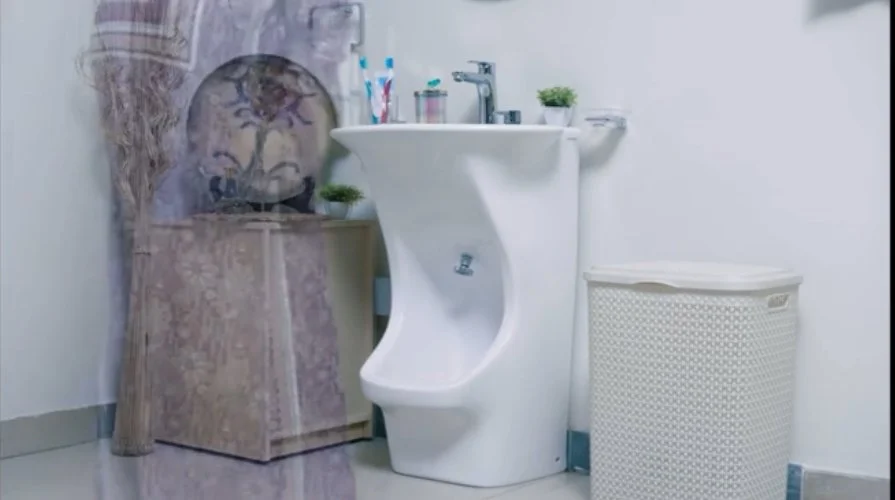
A wudu basin is a specially designed washing station created to make Islamic ablution easier and more comfortable. Its ergonomic design allows users to perform wudu without excessive bending or balancing, helping improve both convenience and safety.
Many models also include efficient drainage systems and splash-control features to keep surrounding floors dry.
Key Differences Between the Two
Although both types of basins provide access to water, they differ in several important ways.
Design
Traditional wash basins are intended for general hygiene tasks. Their height and shape are optimized for washing hands and faces rather than feet.
Wudu basins are specifically designed to support the complete ablution process with a more user-friendly layout.
Comfort
Using a standard wash basin for wudu often requires users to lift one foot into the sink or bend awkwardly, which can be uncomfortable.
A dedicated wudu basin offers better positioning, making the process easier for people of all ages.
Hygiene
Traditional sinks may become messy when used for foot washing, creating water splashes around the surrounding floor.
Wudu basins are designed to contain water more effectively, helping maintain cleaner ablution areas.
Safety
Wet floors increase the risk of slips and falls.
Modern wudu basins often work with efficient drainage systems and anti-slip flooring to improve safety in high-traffic environments.
Which One Is Better for Mosques?
For mosques, a dedicated wudu basin is generally the better choice because it is built specifically for frequent ablution.
Its advantages include:
- Greater user comfort
- Better hygiene
- Reduced water splashing
- Easier maintenance
- Improved accessibility
- More efficient use during busy prayer times
These features help create a cleaner and more organized washing area for worshippers.
Is a Wudu Basin Suitable for Homes?
Yes. Many homeowners are now installing dedicated ablution areas to make daily prayer routines more convenient.
A wudu basin is especially useful for families who perform wudu multiple times a day and want to avoid using standard bathroom sinks for foot washing.
It can also add functionality to prayer rooms or bathrooms designed with Islamic practices in mind.
Factors to Consider Before Choosing
Before selecting a basin, consider the following:
- Available installation space
- Number of expected users
- Material durability
- Ease of cleaning
- Water efficiency
- Accessibility for elderly users and children
Choosing the right fixture ensures long-term performance and a better user experience.
Maintenance Requirements
Both traditional wash basins and wudu basins require regular cleaning, but dedicated ablution basins are often easier to maintain because they are designed to manage larger amounts of water.
Routine maintenance should include:
- Cleaning surfaces regularly.
- Checking drainage for blockages.
- Inspecting plumbing connections.
- Removing mineral buildup when necessary.
Proper care helps extend the lifespan of any washing fixture.
Conclusion
While traditional wash basins remain suitable for everyday hygiene, they are not designed for the unique requirements of Islamic ablution. A wudu basin offers a more comfortable, hygienic, and practical solution by providing better ergonomics, improved drainage, and enhanced safety. Whether for a mosque, Islamic center, or private home, choosing a purpose-built ablution basin can significantly improve the overall wudu experience while supporting cleaner and more efficient facilities.