How to Analyze Large Trades Using a Hyperliquid Whale Tracker
Large trades often capture the attention of cryptocurrency traders because they can influence market sentiment, liquidity, and short-term price movements. While not every high-value transaction leads to a significant market shift, understanding how to analyze these trades can provide valuable insights into overall market activity.
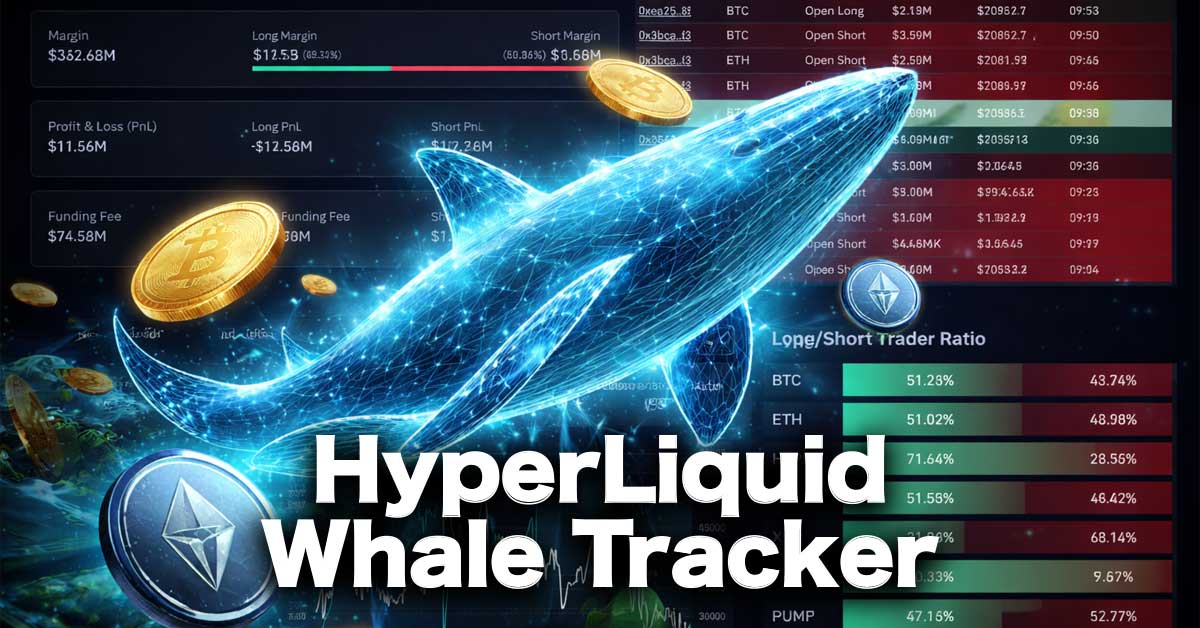
One effective way to monitor large transactions is by using a reliable Hyperliquid Whale Tracker. These platforms organize whale activity into an easy-to-understand format, allowing traders to follow substantial trades in real time and evaluate how they may affect current market conditions.
What Are Large Trades?
Large trades are transactions involving significant amounts of cryptocurrency. They are typically executed by whales, institutions, or high-net-worth investors whose trading activity can influence market behavior.
These transactions may occur on exchanges or through wallet transfers. Understanding the context behind each trade is essential before drawing any conclusions.
Why Large Trades Matter
Major transactions can provide clues about market sentiment. While a single trade is not enough to predict future price action, multiple large trades in the same direction may indicate growing buying or selling pressure.
Monitoring these movements also helps traders identify periods of increased market activity and changing liquidity conditions.
Key Factors to Analyze
Transaction Size
The value of a trade is one of the first indicators to evaluate. Larger transactions generally attract more attention because they have greater potential to influence market conditions.
Trade Direction
Determine whether the transaction represents buying, selling, or a transfer between wallets. This distinction helps avoid misinterpreting routine asset movements as market signals.
Timing of the Transaction
The timing of a large trade can be just as important as its size. Transactions executed during low-volume trading periods may have a greater impact on price than those occurring during highly active sessions.
Frequency of Whale Activity
A single large transaction may not reveal much on its own. However, repeated buying or selling over a short period can indicate a broader market trend developing.
Market Conditions
Always consider the broader market environment. Large trades during major news events or periods of high volatility often carry different implications than similar trades in stable markets.
Steps for Analyzing Whale Trades
A structured approach can make whale data more meaningful:
- Identify the size of the transaction.
- Determine whether it represents buying, selling, or a wallet transfer.
- Compare the trade with recent whale activity.
- Review overall market sentiment and trading volume.
- Confirm observations using technical analysis before making decisions.
Common Mistakes to Avoid
Many traders overestimate the importance of individual whale transactions. Avoid these common errors:
- Assuming every large trade will move the market.
- Ignoring broader market trends.
- Trading solely based on whale activity.
- Reacting emotionally to sudden transactions.
- Overlooking technical and fundamental analysis.
Combining Whale Data with Technical Analysis
Whale tracking becomes more valuable when used alongside chart analysis. Support and resistance levels, moving averages, and trading volume can help confirm whether whale activity aligns with broader market trends.
This combination reduces the likelihood of making decisions based on isolated data points and provides a more balanced trading strategy.
Benefits of Monitoring Large Trades
Regularly analyzing whale transactions can help traders:
- Better understand market sentiment.
- Identify potential trend changes earlier.
- Improve risk management.
- Gain insight into liquidity shifts.
- Make more informed trading decisions.
Conclusion
Analyzing large cryptocurrency trades requires more than simply watching high-value transactions. Successful traders evaluate transaction size, timing, frequency, market conditions, and technical indicators before reaching conclusions.
A disciplined approach to interpreting whale activity can provide valuable market context and support smarter trading decisions. When combined with comprehensive market analysis and effective risk management, whale tracking becomes a useful tool for understanding the behavior of major market participants.